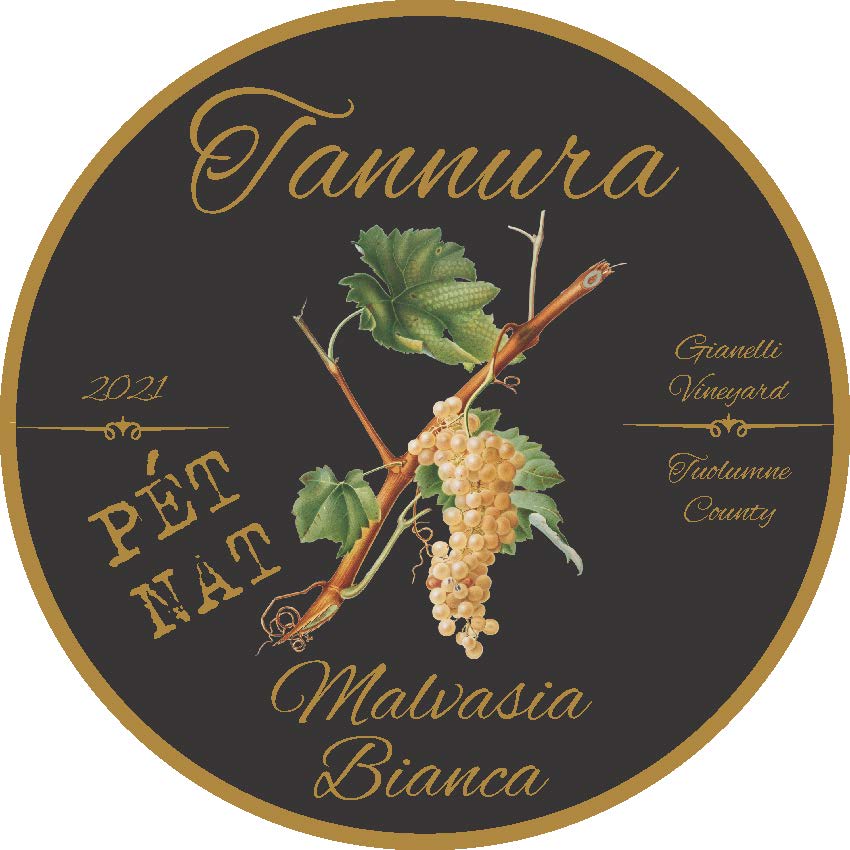
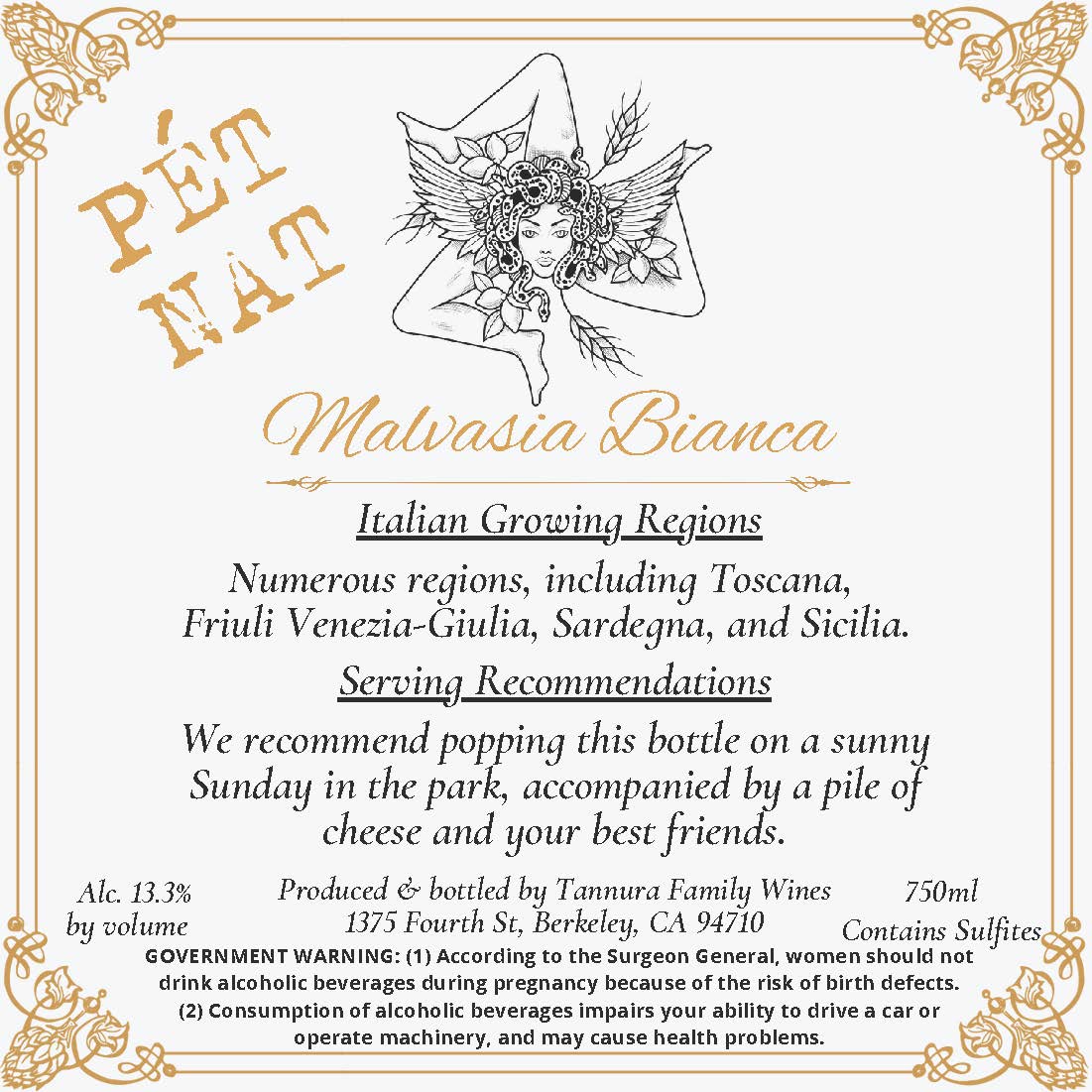
TANNURA is crafted from Malvasia bianca grapes, a versatile and aromatic family of white wines that can be found across various regions of Italy and beyond. While the exact origin for TANNURA isn't specified, this wine showcases the wide-ranging flavors characteristic of Malvasia bianca—notes of white flowers, orange blossom, lemon, peach, apricot, honey, herbs, and sometimes a lightly musky or nutty note. Expect a wine that can be enjoyed in both dry and sweet styles, making it versatile for pairing with a variety of dishes including seafood, poultry, cheese, pasta, desserts, and more.
| TTB ID | 22099001000142 |
|---|---|
| Brand name | TANNURA |
| Class / type | — |
| Origin / appellation | — |
| Grape varietals | Malvasia bianca |
| Approval date | May 5, 2022 |
| Status | APPROVED |
| Serial number | 22MASP |
| Permit number | BWN-CA-23730 |
| Producer name & address | Tannura Family Wines, Tannura Family Wines 1375 & 1365 4TH ST Berkeley CA 94710 TANNURA FAMILY WINES (Used on label) |
| TTB record | View on TTB COLA Online → |
TTB remains the source of record. Wine Grabber links each record back to the public COLA detail when available.
View official TTB record →What would you like to do next?
Wine Grabber is a free public registry. Pick the path that fits you — your choice helps us learn what people come here for.