Vidal Blanc from Camuna Cellars showcases the versatility of this cold-hardy hybrid grape, known for its crisp dry wines and concentrated ice wine potential. While the origin is unknown, Vidal Blanc's ability to thrive in cooler regions makes it a valuable asset for winemakers looking to craft distinctive white wines. Expect notes of lemon, green apple, pear, melon, and light floral flavors from their dry versions, with sweeter styles offering apricot, peach, honey, marmalade, and tropical fruit profiles. With its high acidity, these wines remain vibrant and balanced, whether enjoyed as a refreshing sipper or paired with a variety of dishes.

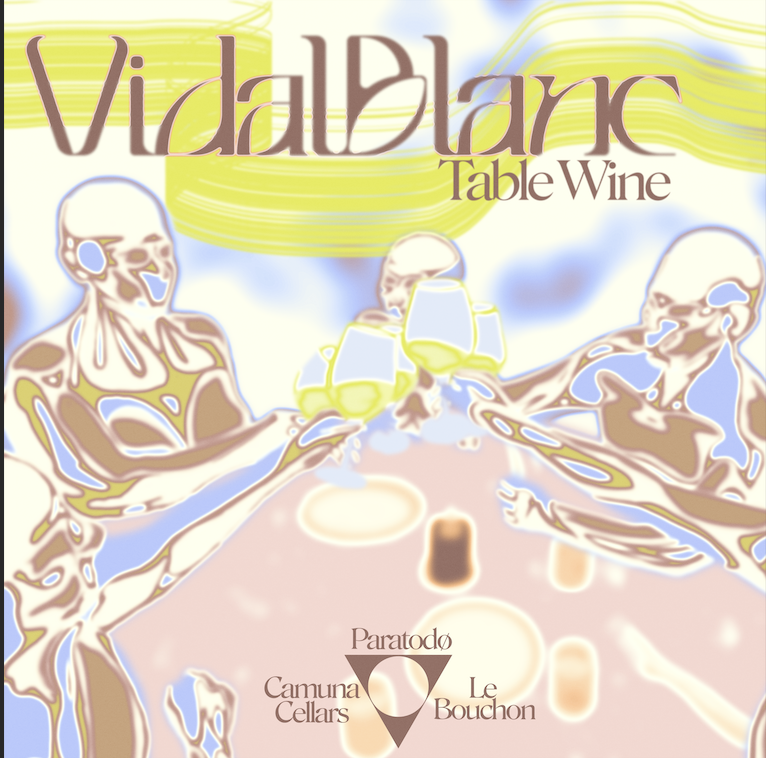
| TTB ID | 22122001000595 |
|---|---|
| Brand name | CAMUNA CELLARS |
| Class / type | — |
| Origin / appellation | — |
| Grape varietals | Vidal blanc |
| Approval date | May 9, 2022 |
| Status | APPROVED |
| Serial number | 22LBVB |
| Permit number | BWN-PA-21272 |
| Producer name & address | Camuna Cellars, LLC 2050 BYBERRY RD Philadelphia PA 19116 |
| TTB record | View on TTB COLA Online → |
TTB remains the source of record. Wine Grabber links each record back to the public COLA detail when available.
View official TTB record →What would you like to do next?
Wine Grabber is a free public registry. Pick the path that fits you — your choice helps us learn what people come here for.