Alessandro Di Camoppelace is a wine crafted from Syrah grapes, a deeply expressive red variety originating in the Rhône Valley of southeastern France. These wines can range from savory and peppery in cooler climates to rich and full-bodied in warmer regions, showcasing the grape's versatility across different terroirs. While many winemakers use the names Syrah or Shiraz depending on their stylistic intent, Alessandro Di Camoppelace aligns with the French model, offering a taut, savory profile with noticeable acidity, perfect for pairing with grilled meats and hearty stews.
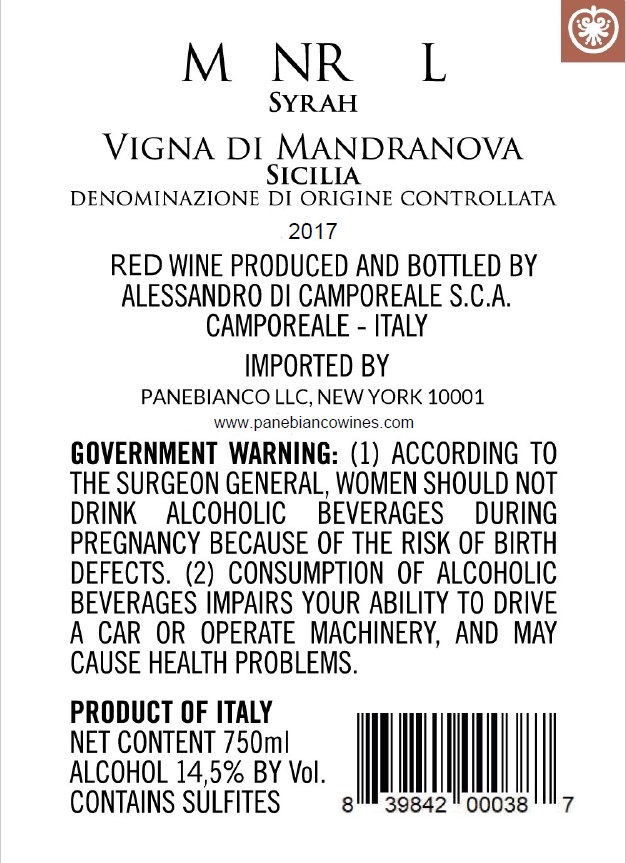
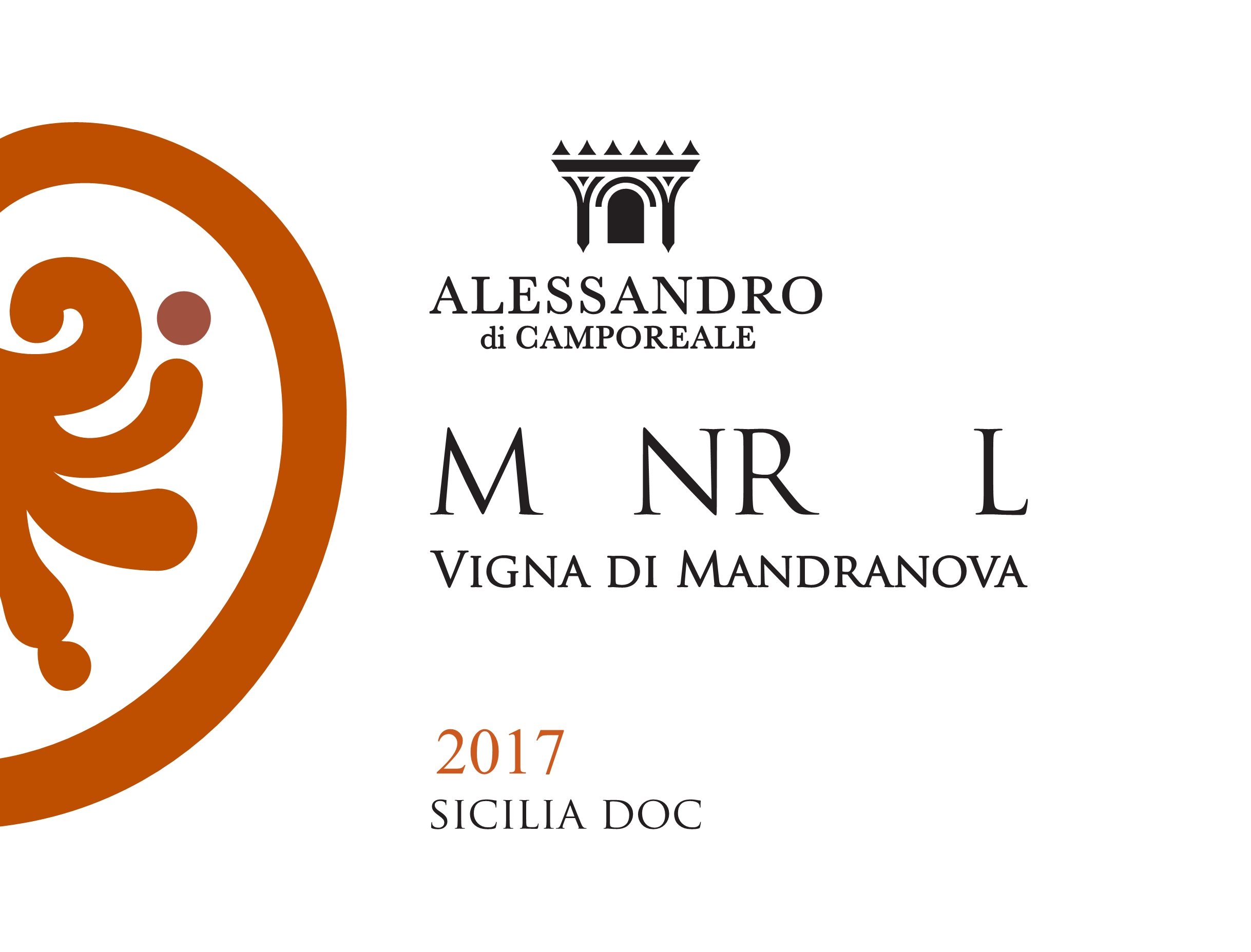
| TTB ID | 22245001000255 |
|---|---|
| Brand name | ALESSANDRO DI CAMPOREALE |
| Fanciful name | MNRL |
| Class / type | — |
| Origin / appellation | — |
| Grape varietals | SYRAH |
| Approval date | Sep 2, 2022 |
| Status | APPROVED |
| Serial number | 220065 |
| Permit number | NY-I-1520 |
| Producer name & address | PANEBIANCO L.L.C. 1140 BROADWAY RM 1205 NEW YORK NY 10001 |
| TTB record | View on TTB COLA Online → |
TTB remains the source of record. Wine Grabber links each record back to the public COLA detail when available.
View official TTB record →What would you like to do next?
Wine Grabber is a free public registry. Pick the path that fits you — your choice helps us learn what people come here for.