High confidence
Exact registry match — this is a specific TTB COLA record. We found a strong match for this wine.
What to Expect
Expect a vibrant and aromatic Sauvignon blanc from Walla Walla Vintners, likely inspired by the grape's characteristic herbaceous and citrus notes. While the exact origin isn't specified, this wine is part of the broader Sauvignon blanc category, commonly found in regions like New Zealand’s Marlborough and France’s Loire Valley. In the U.S., you'll often see it listed as either "Sauvignon Blanc" or its local alias "Fumé Blanc," making it a familiar presence in California and other western wine-producing areas.
Original editorial summary © 2026 Encyclopedia of Wine. All rights reserved; may not be reproduced without permission. Registry facts are public TTB data; brand names and label artwork remain the property of their respective producers.
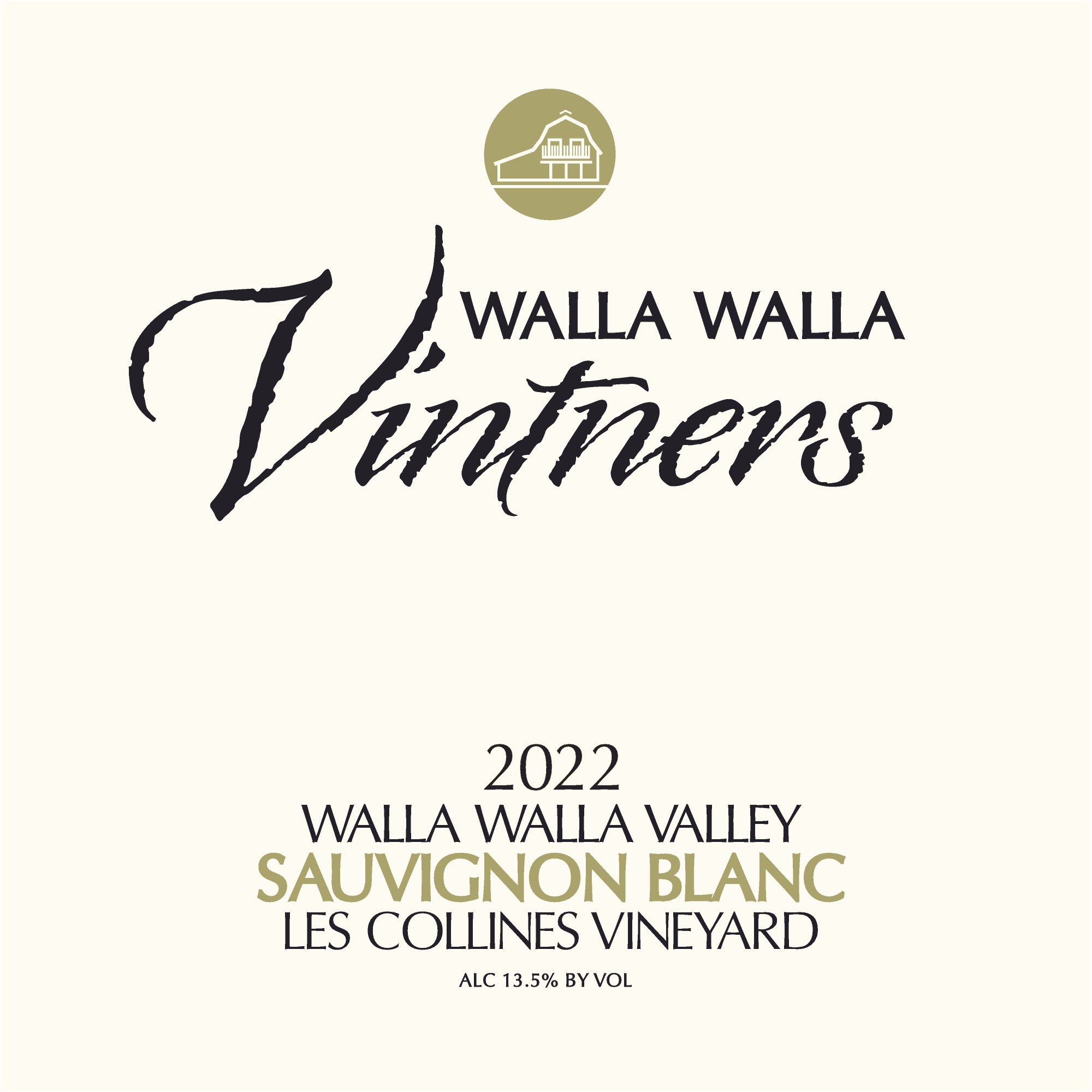
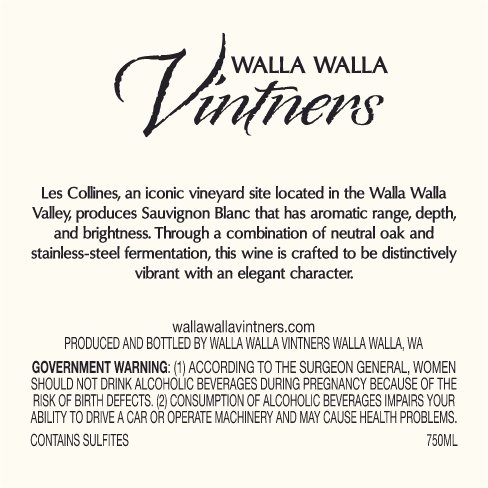
| TTB ID | 23033001000511 |
|---|---|
| Brand name | WALLA WALLA VINTNERS |
| Class / type | — |
| Origin / appellation | — |
| Grape varietals | Sauvignon blanc |
| Approval date | Feb 15, 2023 |
| Status | APPROVED |
| Serial number | 23LWSB |
| Permit number | BWN-WA-21280 |
| Producer name & address | Walla Walla Wine Services, Walla Walla Wine Services, L.L.C. 173 MIDDLE WAITSBURG ROAD, BUILDING C STE 100, 110 Walla Walla WA 99362 WALLA WALLA VINTNERS (Used on label) |
| TTB record | View on TTB COLA Online → |
Official Source
TTB remains the source of record. Wine Grabber links each record back to the public COLA detail when available.
View official TTB record → Related Registry Pages
What would you like to do next?
Wine Grabber is a free public registry. Pick the path that fits you — your choice helps us learn what people come here for.
For wine drinkers
Understand & remember this wine
Scan, understand, save, and learn about this wine.
For wine businesses
Manage & monetize this wine data
Turn labels into clean product records, menus, shelf cards, ecommerce copy, and inventory-ready wine data.
Data sourced from the public TTB COLA Online registry. Wine Grabber is not affiliated with or endorsed by TTB.
Label images are being added for a growing share of records as we harvest them from TTB. Coverage is partial and growing. Coverage & Limitations →