Sweet Cheek Wines blend Grenache, Syrah, and Mourvèdre grapes in an unknown origin. As a versatile grape, Grenache is widely planted across Spain, France's Rhône Valley, and Rioja and Priorat regions. Syrah, known as Shiraz in Australia and South Africa, offers wines that range from peppery and savory to rich and full-bodied, with notable differences depending on stylistic intent. Whether you prefer the French model or the Australian Barossa tradition, Sweet Cheek Wines combines these grapes to create a unique and expressive red wine experience.
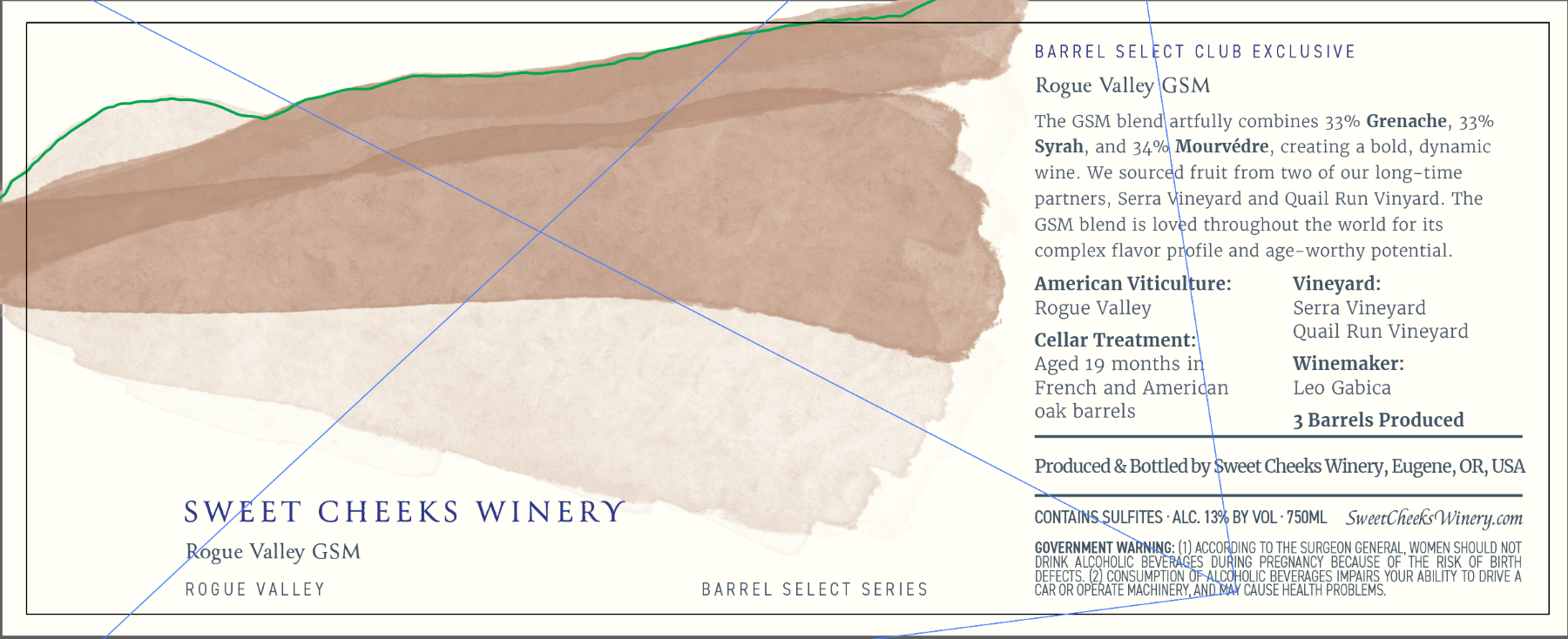
| TTB ID | 23172001000754 |
|---|---|
| Brand name | SWEET CHEEKS WINERY |
| Class / type | — |
| Origin / appellation | — |
| Grape varietals | Grenache, Syrah, Mourvèdre |
| Approval date | Jul 14, 2023 |
| Status | APPROVED |
| Serial number | 23GSM1 |
| Permit number | BWN-OR-15036 |
| Producer name & address | SWEET CHEEKS VINEYARDS, INC. 26961 BRIGGS HILL RD EUGENE OR 97405 SWEET CHEEKS WINERY (Used on label) |
| TTB record | View on TTB COLA Online → |
TTB remains the source of record. Wine Grabber links each record back to the public COLA detail when available.
View official TTB record →What would you like to do next?
Wine Grabber is a free public registry. Pick the path that fits you — your choice helps us learn what people come here for.